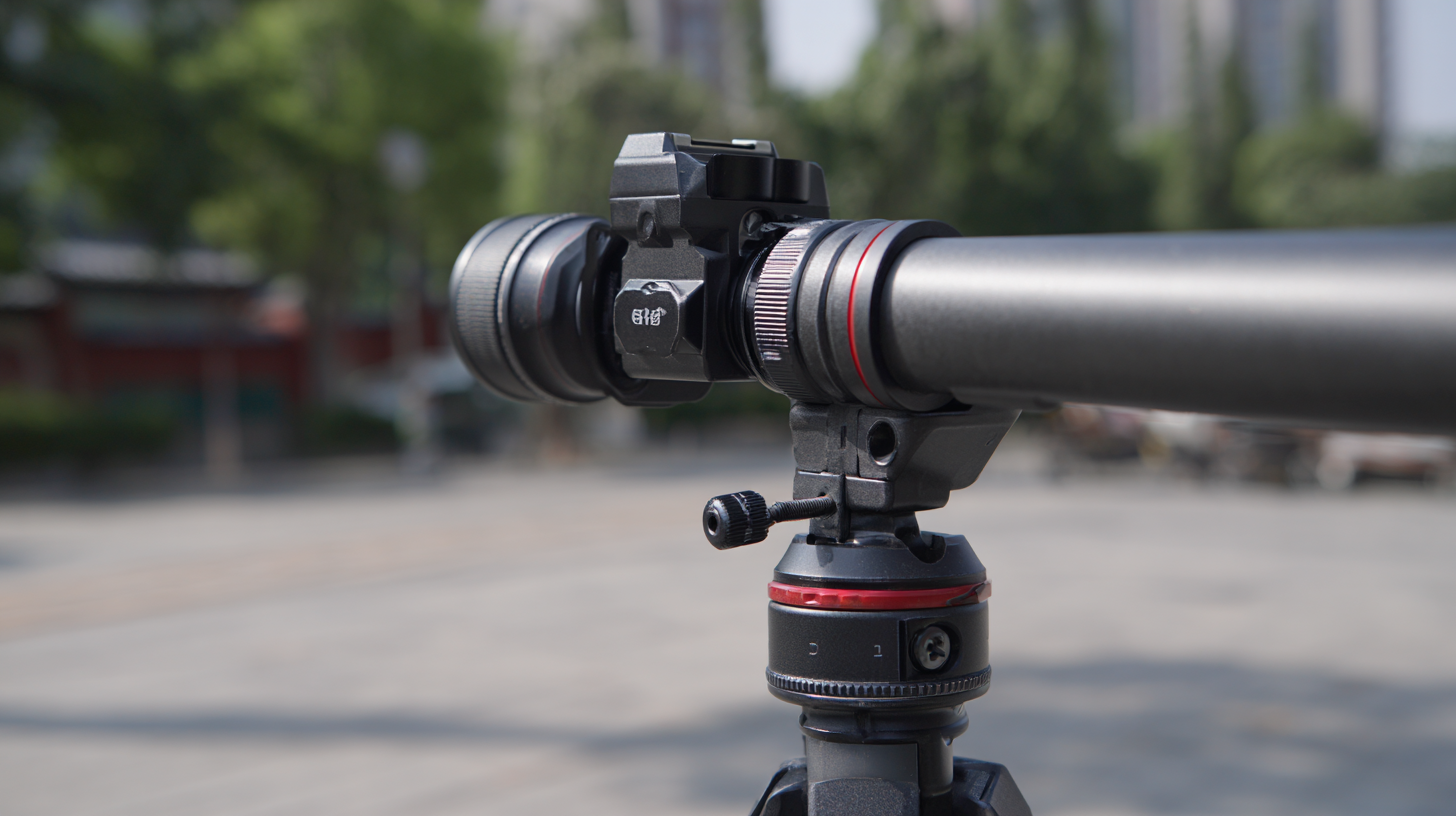
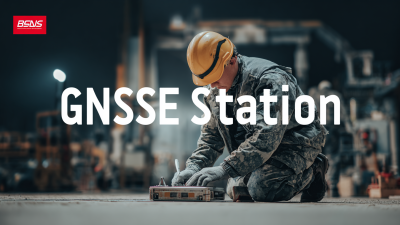
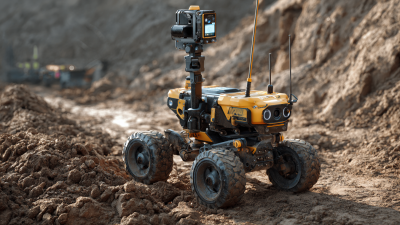
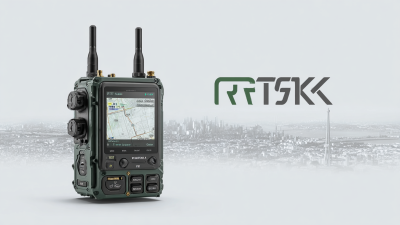
You know, the demand for top-notch Gnss Equipment is really taking off! Experts predict the market will hit around $7.8 billion by 2026, and that's all thanks to some amazing advancements in geospatial tech. One standout in this whole scene is the Carbon Telescopic Pole Gnss – it's a game-changer for anyone into surveying, seriously.
Then there's Shanghai Apekstool, or APEKS for short, which comes straight out of Shanghai, China. They’re a classic example of what quality Chinese manufacturing looks like, churning out some really innovative gear for geospatial surveying and mapping. APEKS digs deep into GNSS/GPS systems and total stations, plus all the cool accessories you need for surveying. They use some advanced materials and engineering that go above and beyond what you’d expect, making their Carbon Telescopic Poles a real standout. Because of all this, they've really carved out a solid spot for themselves in the global market!
Exceptional Quality in Chinese Manufacturing of Carbon Telescopic Poles for GNSS Applications
You know, it’s pretty amazing how much the manufacturing landscape has changed over the years. China has really stepped up to the plate and become a real leader in crafting high-quality carbon telescopic poles, especially for GNSS (Global Navigation Satellite System) applications. The quality of these poles is no joke—they come from some seriously advanced manufacturing techniques and super strict quality control, which means they’re built to last and really reliable. That’s why they’ve become a must-have for anyone involved in surveying, mapping, or any GNSS-related work where accuracy is everything.
What’s cool is that Chinese manufacturers are using innovative materials and the latest technology to produce these poles. They’re not just lightweight; they’re tough enough to handle all sorts of environmental conditions. And with the integration of carbon fiber tech, their performance is seriously impressive, giving users the flexibility they need for extensive fieldwork. So it’s no surprise that professionals across the board—from the geospatial crowd to the construction folks—are increasingly turning to these Chinese-made carbon telescopic poles. They really recognize the top-notch quality and performance they offer in today’s global market.
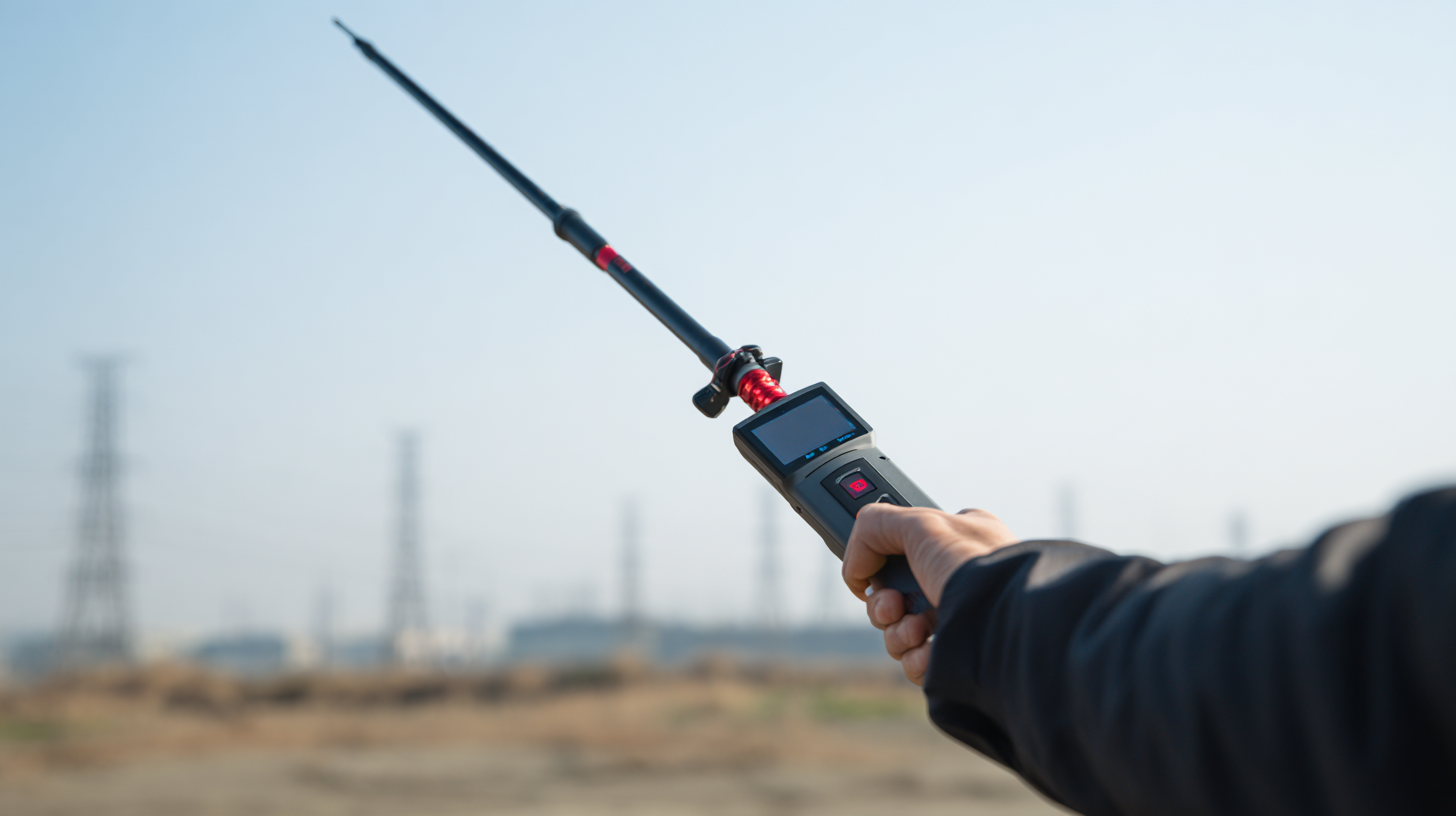
Comprehensive Technical Specifications of High-Performance Carbon Telescopic Poles
You know, the popularity of carbon telescopic poles is really on the rise in the global market, and it’s no wonder why! They're just amazing for GNSS applications. These poles are super light but sturdy, which makes them so easy to carry around and use. Plus, thanks to the cool carbon fiber tech, they have this awesome strength-to-weight ratio that gives you stability and durability, even when the weather’s not cooperating.
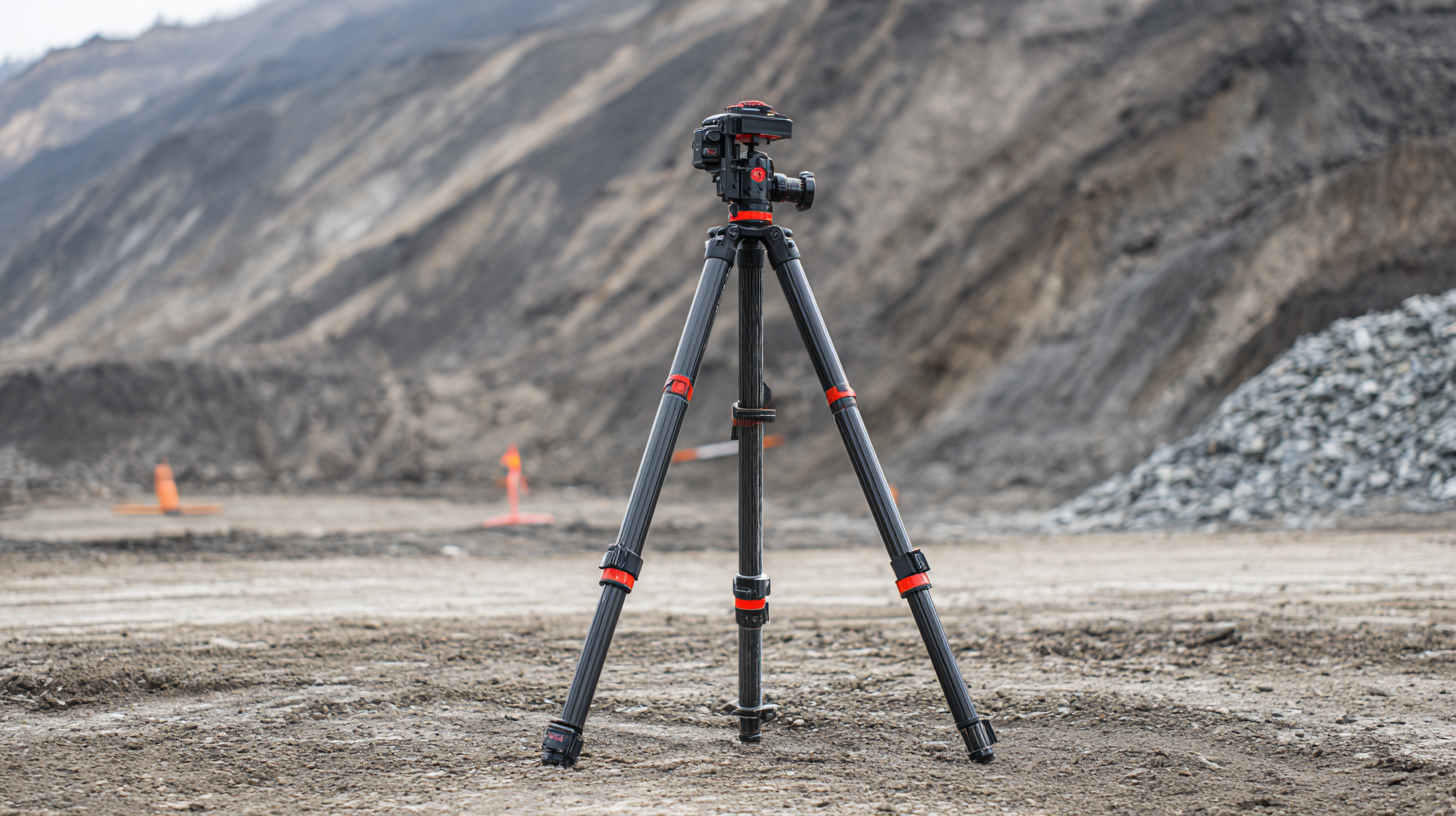
When you dig into the technical specs, it’s clear they’re perfect for all sorts of professional needs. A lot of these poles can be adjusted in length, so you can set them up just the way you need for different GNSS tasks. And get this—many models come with specialized connectors and mounting options, which means they can work with all kinds of Gnss Receivers. They’re also made to reduce signal interference, which is seriously important for nailing those precise measurements in surveying and mapping. So, it's really impressive howChinese manufacturers have stepped up, bringing us innovative products that really keep up with what professionals around the world need.
Step-by-Step Tutorial for Choosing the Right Carbon Telescopic Pole for GNSS
Choosing the right carbon telescopic pole for your GNSS applications is super important if you want to get the best performance and durability. First off, you really need to think about what you actually need. What’s your height requirement? And what kind of terrain are you planning to work in? It’s also worth considering how much these poles weigh and how easy they are to transport. High-quality carbon poles tend to be lightweight yet incredibly strong, so they can offer a great balance between being easy to carry around and stable in various conditions.
Now, let's chat a bit about the manufacturing quality. Seriously, Chinese manufacturers have really raised the bar when it comes to carbon telescopic poles, thanks to some amazing advances in materials and production techniques. So, keep an eye out for those guys who follow strict quality control measures. Don’t forget to check out reviews and maybe ask around for recommendations – that can really help you find some trustworthy options. Lastly, don't overlook those extra features, like locking mechanisms or compatibility with your GNSS gear. These little details can really make a big difference in your overall experience and efficiency when you’re out in the field.
Exceptional Quality of Chinese Manufacturing Leading the Global Market for Best Carbon Telescopic Poles GNSS
| Feature | Description | Importance | Recommended Measurement |
| Material Type | Carbon Fiber | High strength-to-weight ratio | 100% Carbon Fiber Content |
| Pole Length | Adjustable from 1.5m to 5m | Versatility for various applications | Range of Adjustment Options |
| Weight | Lightweight (Approx. 1.5kg) | Ease of transport | Under 2kg Recommended |
| Connector Type | Universal Adapter | Compatibility with devices | Standardized Connections |
| Durability | High-impact resistance | Long service life | Impact Testing Results |
| Price Range | $150 - $300 | Affordability while maintaining quality | Budget Considerations |
Key Advantages of Chinese-Made Carbon Telescopic Poles in the Global Market
You know, the global market for carbon telescopic poles is really turning a corner these days, and it’s Chinese manufacturers leading the charge on this front. They've got a whole industrial system that’s not only self-sufficient but also super advanced, which is why China is now a go-to name in the carbon fiber game. Reports are showing that their manufacturing capabilities are so top-notch that they're cranking out carbon telescopic poles that go beyond what the international quality standards ask for. With the domestic market in China booming, these manufacturers, like Shanghai Apekstool (you might hear them just called APEKS), are able to push out some seriously impressive products, especially designed for GNSS applications.
One of the coolest things about these Chinese-made carbon telescopic poles? They’re super cost-effective! They manage to keep production costs lower while still using high-quality materials, which means you get great value without skimping on performance. And let’s be real, as the need for lightweight and durable gear in surveying and mapping keeps climbing, China's solid supply chain and focus on innovation means they can deliver right on time and adapt to different needs without breaking a sweat. Some industry folks are saying that with sustainability becoming such a hot topic in manufacturing, the push for responsibly-sourced carbon poles is only going to make Chinese products even more competitive on the global stage.
Innovative Manufacturing Techniques Elevating the Quality of Carbon Telescopic Poles
You know, it’s really amazing how much the manufacturing game has changed lately! The new innovations in the way we make stuff have seriously upped the game for carbon telescopic poles, and honestly, Chinese manufacturers are just killing it on the global stage. They’ve really embraced advanced tech and precision engineering, which means they’re turning out poles that not only perform like champs but also fit a bunch of different needs across industries. With all those automated production lines and real-time quality checks in place, each pole is made to a super high standard, which is why they’re known for being both durable and impressively light.
And let me tell you, the use of top-notch carbon fiber? It's a total game changer for how these poles are designed and how strong they are. Chinese manufacturers are really pushing the limits right now, even playing around with composite materials that give them extra stiffness while trimming down on weight. It’s pretty cool when you think about how these poles are perfect for everything from GNSS measurements to outdoor sports. Plus, their focus on research, development, and sustainability really puts them on the map as a leader in the carbon telescopic pole market. No wonder customers from all over are coming to them for top-quality and innovative gear!
User Feedback: Real-World Performance of Chinese Carbon Telescopic Poles in GNSS Operations
You know, Chinese carbon telescopic poles have really made a name for themselves in the world of GNSS operations. People can't stop raving about their top-notch quality and performance. Users from all over the globe have shared their experiences, often pointing out how lightweight and durable these poles are—they really hold up against all sorts of weather! It’s no wonder they’ve become a go-to choice for professionals involved in geospatial surveying and mapping.
Honestly, it’s pretty cool to see how innovative Chinese manufacturing has become. They’re really focused on delivering products that meet the industry's needs. A great example is the recent launch of the Zhulong-1 nuclear battery, which can supposedly last for a century using carbon-14 tech. I mean, talk about high-performance solutions that can seriously improve efficiency in various areas, GNSS included!
When it comes to picking the best carbon telescopic poles, keep a few things in mind. First, look at the weight-to-strength ratio and see how easy they are to use out in the field. Also, checking out user reviews and real-life performance experiences can be super helpful. It'll give you a better idea of how these poles actually perform in practice. And don’t forget to choose poles that fit your specific needs—that way, you can really boost your productivity and accuracy in those surveying tasks!
Maximizing Accuracy: The Role of Carbon Fiber GNSS Poles in Modern Surveying Technology – Insights from Industry Reports
The integration of carbon fiber GNSS poles in modern surveying technology is revolutionizing the industry, as highlighted in recent industry reports. These poles, known for their lightweight and robust properties, offer surveyors enhanced precision and efficiency. Traditional surveying equipment often struggles with weight and durability, but carbon fiber poles provide an ideal solution, allowing for easier transportation and setup in various terrains. As projects become more complex, the need for reliable and accurate measurements becomes paramount, making carbon fiber a top choice for professional surveyors.
Furthermore, the implementation of carbon fiber technology directly impacts data collection accuracy. With minimal signal interference and improved stability, surveyors can achieve higher levels of precision, crucial for mapping and construction projects. Reports indicate that this advancement not only streamlines the surveying process but also reduces the likelihood of costly errors. By investing in carbon fiber GNSS poles, firms position themselves at the forefront of technological innovation, ensuring they maintain a competitive edge in a rapidly evolving market.
As the surveying landscape continues to advance, the role of carbon fiber GNSS poles will undoubtedly grow, making them an essential tool in the surveyor's toolkit. The future of surveying technology will likely see continued developments in material science, with carbon fiber leading the charge in delivering unprecedented levels of accuracy and reliability.
FAQS
: Chinese-made carbon telescopic poles offer exceptional quality, cost-effectiveness, and are manufactured through advanced techniques, making them highly competitive globally. They meet and exceed international quality standards, catering specifically to geospatial surveying needs.
Chinese manufacturers utilize innovative manufacturing techniques, including automated production lines and real-time quality control systems, to ensure that each pole is crafted to the highest standards of durability and lightweight functionality.
High-grade carbon fiber materials are primarily used, with manufacturers experimenting with composite materials to enhance stiffness while reducing weight, making them suitable for various applications, including GNSS measurements.
Users have praised the lightweight design and durability of Chinese carbon telescopic poles, indicating that they perform well under various environmental conditions in geospatial surveying and mapping.
Innovation is central to the production process, with a focus on research and development that drives advancements in technology, resulting in high-performance products tailored to the needs of the industry.
When selecting carbon telescopic poles, consumers should evaluate the weight-to-strength ratio, ease of use for field operations, and pay attention to user reviews and performance experiences to ensure the poles meet their specific requirements.
China's robust supply chain facilitates timely delivery and flexibility in meeting diverse manufacturing needs, which contributes to the competitiveness of Chinese products in the global market.
Sustainability is becoming a significant focus in manufacturing, and the adoption of responsibly-sourced materials is expected to enhance the appeal and competitiveness of Chinese carbon telescopic poles internationally.